
When you’re shopping for a personal loan, your credit score plays a major role in determining the rates and terms you’re offered. Whether you have excellent credit or are working on rebuilding your financial profile, understanding how to compare personal loans based on your credit score can help you save money and make smarter borrowing decisions.
Wondering how your credit score impacts your loan options? We’ll walk you through everything from what it means to how to compare personal loans that fit your score
Contents
- 1 Why Credit Score Matters When Comparing Personal Loans
- 2 Credit Score Ranges and What They Mean
- 3 How to Compare Personal Loans by Credit Score
- 4 How to Effectively Compare Personal Loans Online
- 5 Tips to Improve Your Loan Options Before Applying
- 6 Should You Compare Personal Loans with a Co-Signer?
- 7 Final Thoughts: Always Compare Personal Loans Carefully
- 8 FAQs About Comparing Personal Loans
Why Credit Score Matters When Comparing Personal Loans
Your credit score is a three-digit number that lenders use to evaluate how risky you are as a borrower. It ranges from 300 to 850, with higher scores indicating better creditworthiness. When you compare personal loans, your credit score determines:
- Interest rates
- Loan amounts
- Repayment terms
- Approval odds
Lenders use your score to gauge whether you’ll repay the loan on time. A higher credit score can unlock lower interest rates and better terms, while a lower score may limit your options or increase your cost of borrowing.
Credit Score Ranges and What They Mean
Here’s a quick breakdown of the most commonly used credit score ranges:
| Credit Score Range | Rating | What It Means |
|---|---|---|
| 300 – 579 | Poor | Limited loan access, high rates |
| 580 – 669 | Fair | Some access, higher interest |
| 670 – 739 | Good | Solid access and fair rates |
| 740 – 799 | Very Good | Wide access, competitive rates |
| 800 – 850 | Excellent | Best rates, highest approval odds |
How to Compare Personal Loans by Credit Score
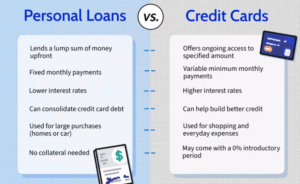
Let’s explore how to compare personal loans depending on where your credit score falls.
1. If You Have Excellent Credit (800–850)
Best Options:
- Low-interest fixed-rate loans
- No origination fees
- Longer repayment terms
Top Lenders to Compare:
- LightStream
- SoFi
- Marcus by Goldman Sachs
Key Tips:
- Focus on interest rate, but don’t ignore fees.
- Compare personal loans with flexible repayment features.
Example: A borrower with an 820 score might qualify for a $20,000 loan with an interest rate as low as 6% APR and a 5-year term with no fees.
2. If You Have Very Good Credit (740–799)
Best Options:
- Low to moderate interest loans
- Flexible payment plans
Lenders to Compare:
- Discover Personal Loans
- PenFed Credit Union
- Best Egg
Key Tips:
- Look beyond APR—also compare personal loans with favorable repayment flexibility.
- Take advantage of prequalification to compare offers without a hard credit pull.
3. If You Have Good Credit (670–739)
Best Options:
- Standard personal loans
- Decent APRs, possibly some fees
Lenders to Compare:
- LendingClub
- Upstart
- Prosper
Key Tips:
- Compare personal loans that consider other data (education, employment, etc.)—not just credit score.
- Pay attention to origination and late fees.
4. If You Have Fair Credit (580–669)
Best Options:
- Loans with higher APRs
- Secured personal loans
Lenders to Compare:
- Avant
- Upgrade
- OneMain Financial
Key Tips:
- Compare personal loans that offer prequalification.
- Consider a secured personal loan to increase approval odds.
- Work on improving your credit score before borrowing if possible.
5. If You Have Poor Credit (300–579)
Best Options:
- Secured personal loans
- Co-signed loans
- Credit-builder loans
Lenders to Compare:
- OppLoans
- NetCredit
- Local credit unions
Key Tips:
- Compare personal loans that report to credit bureaus (helps you rebuild credit).
- Avoid payday loans—they have excessive fees and predatory terms.
How to Effectively Compare Personal Loans Online
No matter your score, here’s how to make an informed comparison:
1. Use Loan Comparison Tools
Websites like NerdWallet, Bankrate, or LendingTree let you compare personal loans side-by-side based on credit score, APR, term, and fees.
2. Focus on APR (Not Just Interest Rate)
APR includes interest and fees—giving you the true cost of borrowing. When you compare personal loans, this is your key metric.
3. Look for Flexible Repayment Terms
Some lenders allow:
- Date adjustments
- Early payments with no penalties
- Temporary payment pauses
✅ 4. Understand the Fees
Watch out for:
- Origination fees (1%–8%)
- Late payment fees
- Prepayment penalties
Compare personal loans that are transparent about all costs.
5. Prequalify Without a Hard Pull
Many lenders offer soft credit checks to let you view your potential rate without affecting your credit score.
Tips to Improve Your Loan Options Before Applying
If you’re not happy with your loan terms, you can take a few steps to improve your chances:
- Pay down existing debt
- Check your credit report for errors
- Make payments on time
- Avoid applying for multiple loans at once
Improving your score even by 20–30 points can significantly affect the offers you receive when you compare personal loans.
Should You Compare Personal Loans with a Co-Signer?
A co-signer with a better credit score can:
- Help you get approved
- Lower your interest rate
But remember, they’re on the hook if you default. Compare personal loan that allows co-signers if your score is below 650 and your income is limited.
Final Thoughts: Always Compare Personal Loans Carefully
Whether your credit is excellent or poor, there are personal loan options available to you. The key is to:
- Know your credit score
- Understand how it affects your offers
- Use trusted tools and lenders to compare personal loans
- Look beyond just interest rates—consider total loan cost, repayment flexibility, and lender reputation
When you take the time to compare personal loans thoroughly, you’re more likely to find a loan that fits your budget, goals, and credit profile.
FAQs About Comparing Personal Loans
Q: What’s the best credit score to qualify for low-interest personal loans?
A: Generally, scores above 740 give you access to the lowest interest rates.
Q: Can I get a personal loan with bad credit?
A: Yes, but you’ll likely face higher rates or need a co-signer or collateral.
Q: Does comparing personal loans affect my credit score?
A: No—using prequalification tools that do soft credit checks won’t hurt your score.
Q: How long should I compare personal loans before choosing one?
A: Give yourself at least 1–2 weeks to research and compare multiple offers.